IBS Awareness Month: Why It Matters and How We Can Better Support Gut Health Year-Round
Recognizing IBS Awareness Month in Austin
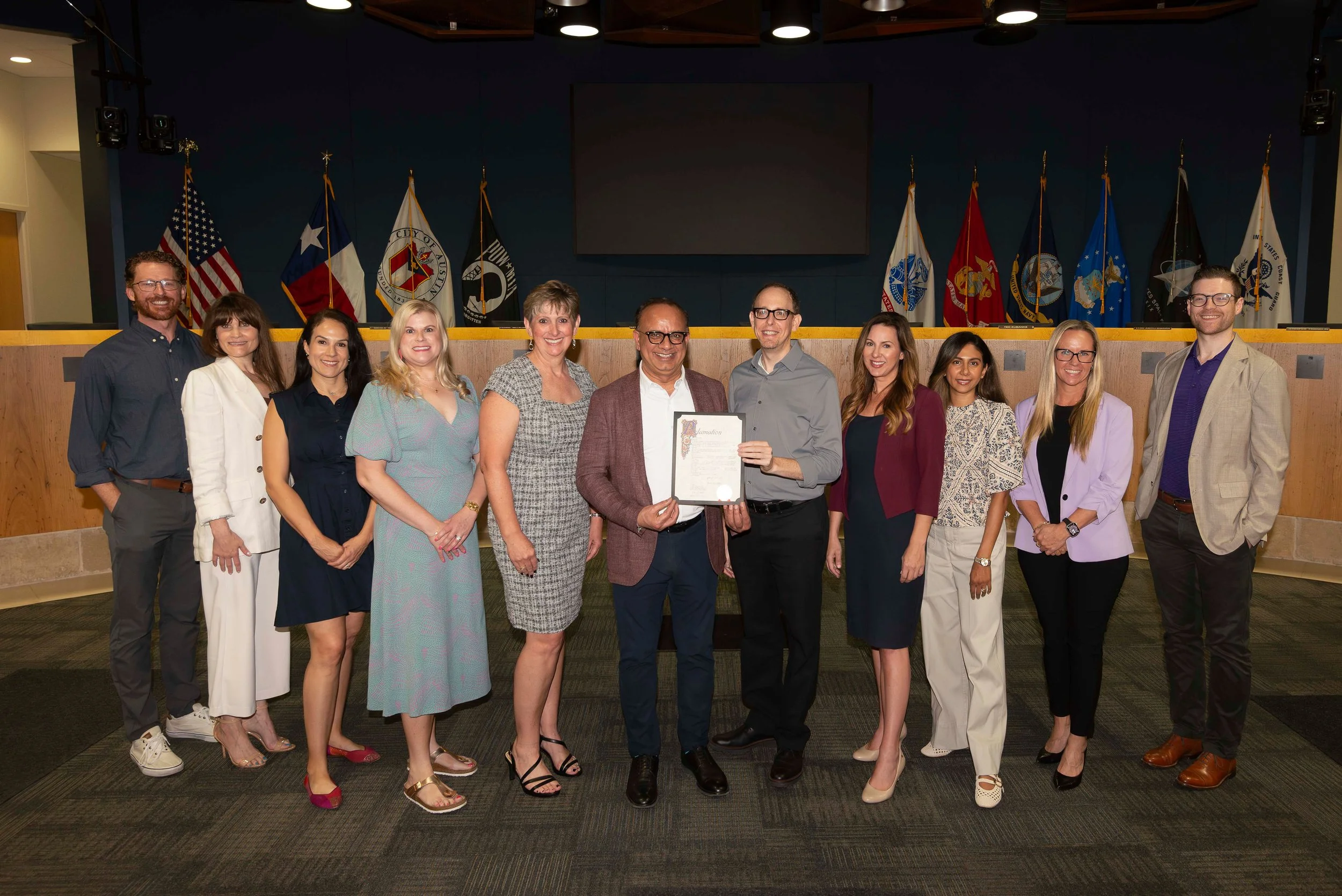
This week, I had the opportunity to attend a special event at Austin City Hall to recognize IBS Awareness Month and advocate for individuals living with irritable bowel syndrome (IBS).
I connected with gastroenterology clinicians from Austin Gastroenterology and Baylor Scott & White Health, along with the team at Ardelyx, to support this important initiative.
We met with Council Member Marc Duchen to officially proclaim April 17–19th as World IBS Days in the City of Austin, helping raise awareness of a condition that affects millions but is often overlooked.
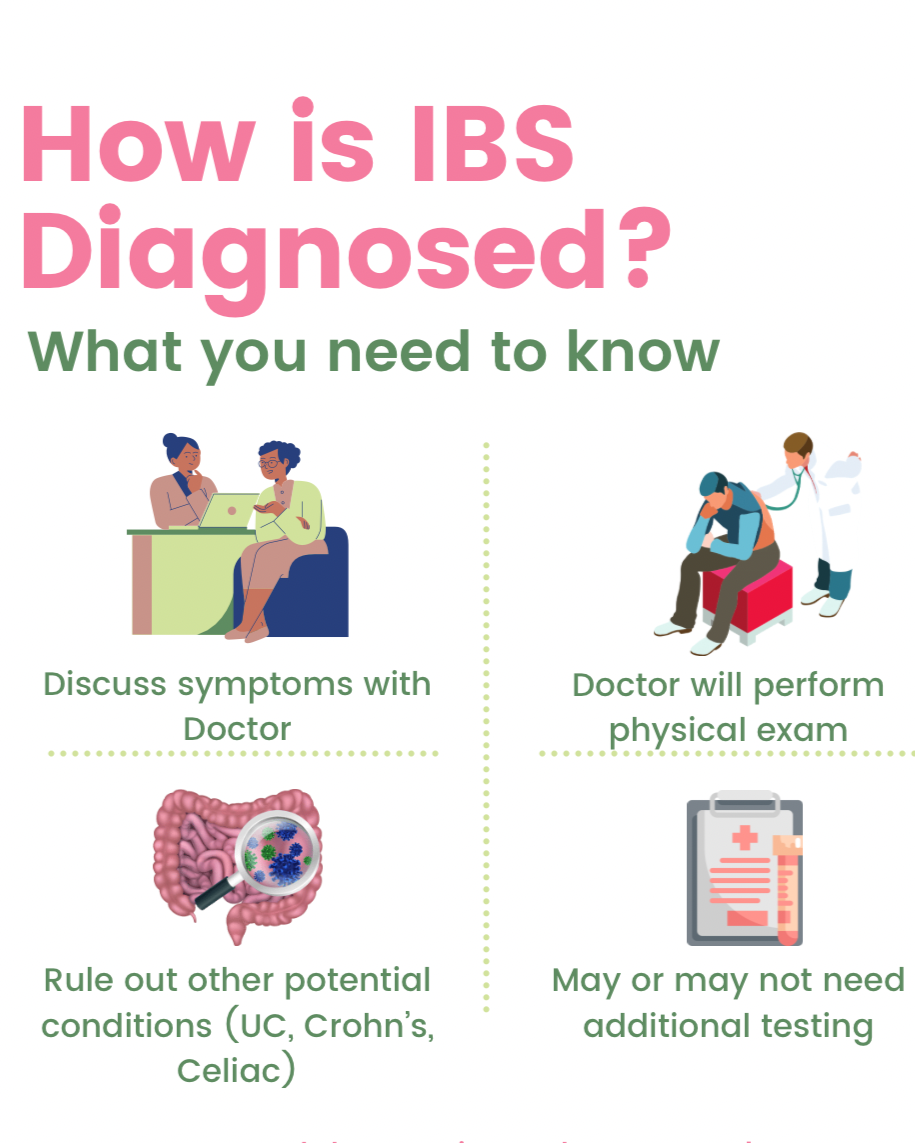
What is IBS? Understanding a Common but Misunderstood Condition
Irritable bowel syndrome (IBS) is a disorder of gut-brain interaction.
It is characterized by:
Recurring abdominal pain
Bloating and gas
Changes in bowel habits (constipation, diarrhea, or both)
IBS affects up to 15% of the population, or more than 35 million Americans. IBS is a major women’s health issue as 2 out of 3 IBS sufferers are women and it can be misdiagnosed for people who also have endometriosis. Despite how common it is, many people do not realize their symptoms could be IBS, which often leads to delayed diagnosis and prolonged discomfort.
Why IBS Often Goes Undiagnosed
One of the biggest challenges with IBS is that many individuals normalize their symptoms or feel uncomfortable talking about them.
Common reasons IBS goes undiagnosed include:
Dismissing symptoms as “just stress”, “It’s all in your head,” or “a sensitive stomach”
Feeling embarrassed to discuss bowel habits
Lack of awareness about IBS as a medical condition
Previous negative healthcare experiences
Because of this, many people spend years trying to manage symptoms on their own without the support they need. According to the IFFGD nearly 2,000 patients with IBS reported that diagnosis of their IBS was typically 6.6 years after the symptoms began.
The Real Impact of IBS on Daily Life
For many individuals, symptoms like abdominal pain, bloating, and unpredictable bowel habits are not occasional inconveniences. They are frequent, ongoing, and disruptive to daily routines. Pain, in particular, is a central symptom across all IBS subtypes and can interfere with everything from eating and working to socializing and traveling.
The effects extend well beyond physical discomfort. Many people with IBS experience anxiety around food, avoid social events and traveling, or feel limited in their ability to fully engage in work and relationships. Over time, this can take a toll on emotional well-being and contribute to increased stress, anxiety, and reduced confidence in their bodies.
Quality of life is often significantly lower for people living with IBS compared to those without digestive conditions. IBS is not just about digestion. It is a condition that can affect nearly every aspect of a person’s life, from physical comfort to emotional health and the ability to participate fully in everyday activities.
Addressing a Critical Gap: IBS and Disordered Eating
In addition to community advocacy, I recently attended the Scrubs N Heels Leadership Summit, a conference centered on advancing and supporting women in gastroenterology.
At this event, I had the opportunity to speak with GI clinicians about a topic that is often overlooked. How to support patients with IBS who also struggle with their relationship with food.
Many clinicians shared that they feel uncertain navigating the Low FODMAP Diet in patients with a history of disordered eating. Some even expressed concern about unintentionally causing harm.
This reflects a larger gap in care.
Key Takeaways from the Summit
Many physicians are aware of the complexities of eating disorders but feel underprepared to manage them
Interdisciplinary collaboration remains limited, with very few GI dietitians and GI psychologists represented
There is a strong need for practical tools and education to better support these patients
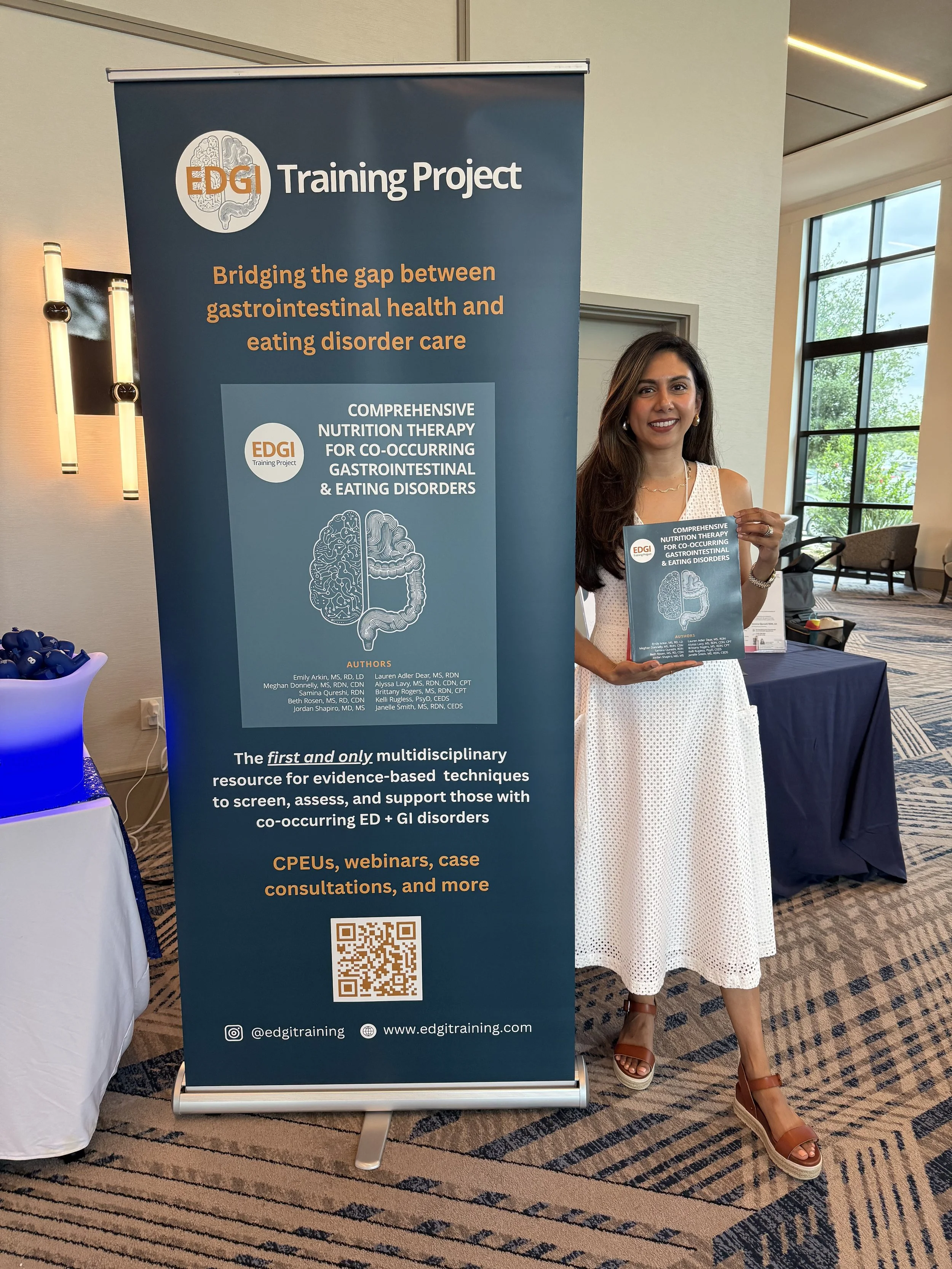
These conversations reinforced the importance of the work we are doing through the EDGI Training Project.
There is a clear need for more integrated care for patients navigating both gastrointestinal conditions and eating disorders.
That’s why we created the EDGI Training Project. A collaborative effort between dietitians, psychologists, and gastroenterologists to provide clinicians with the tools and confidence to support these complex cases.
As part of this work, we also share resources like Comprehensive Nutrition Therapy for Co-Occurring Gastrointestinal and Eating Disorders, which helps clinicians better understand how to approach nutrition care without causing additional harm.
If we want to improve patient outcomes, interdisciplinary collaboration is not optional. It is essential.
Breaking the Silence Around Gut Health
A key message from IBS Awareness Month is that people should not have to suffer in silence.
Open conversations about gut health help:
Normalize these experiences
Encourage earlier diagnosis
Reduce stigma around digestive symptoms
Connect people with appropriate care
The more we talk about IBS, the easier it becomes for individuals to seek help without shame.
How Nutrition and Lifestyle Can Help Manage IBS
As a GI dietitian I absolutely believe that the low FODMAP diet can help with symptom management and avoiding IBS flares but it’s not appropriate for everyone with IBS. If you struggle with your relationship with food, anxiety, have co-occurring mental health conditions, it may not be a good fit for you and that’s okay. There are plenty of alternative nutrition therapies that can help you feel your best with IBS.
Supportive approaches may include:
Identifying personal food triggers with the guidance of a registered dietitian
Getting adequate and consistent nourishment throughout the day
Eating the right type and amount of fiber for you
Meeting your hydration goals
Addressing the gut-brain connection through stress management
Building flexible, sustainable eating patterns
Participating in gentle forms of movement you enjoy
You can’t heal a starved gut with more restriction. Sustainable support is key.
While there is no one-size-fits-all approach to IBS, evidence-based nutrition and lifestyle strategies can make a meaningful difference.
IBS Awareness Month May Be Ending, But Support Shouldn’t
April is IBS Awareness Month which helps bring attention to an important issue, but the need for awareness, education, and support continues year-round.
If you are experiencing symptoms like bloating, abdominal pain, constipation, or diarrhea, know that:
Your symptoms are valid (not just in your head!)
You are not alone
Support is available
How to Get Nutrition Support for IBS
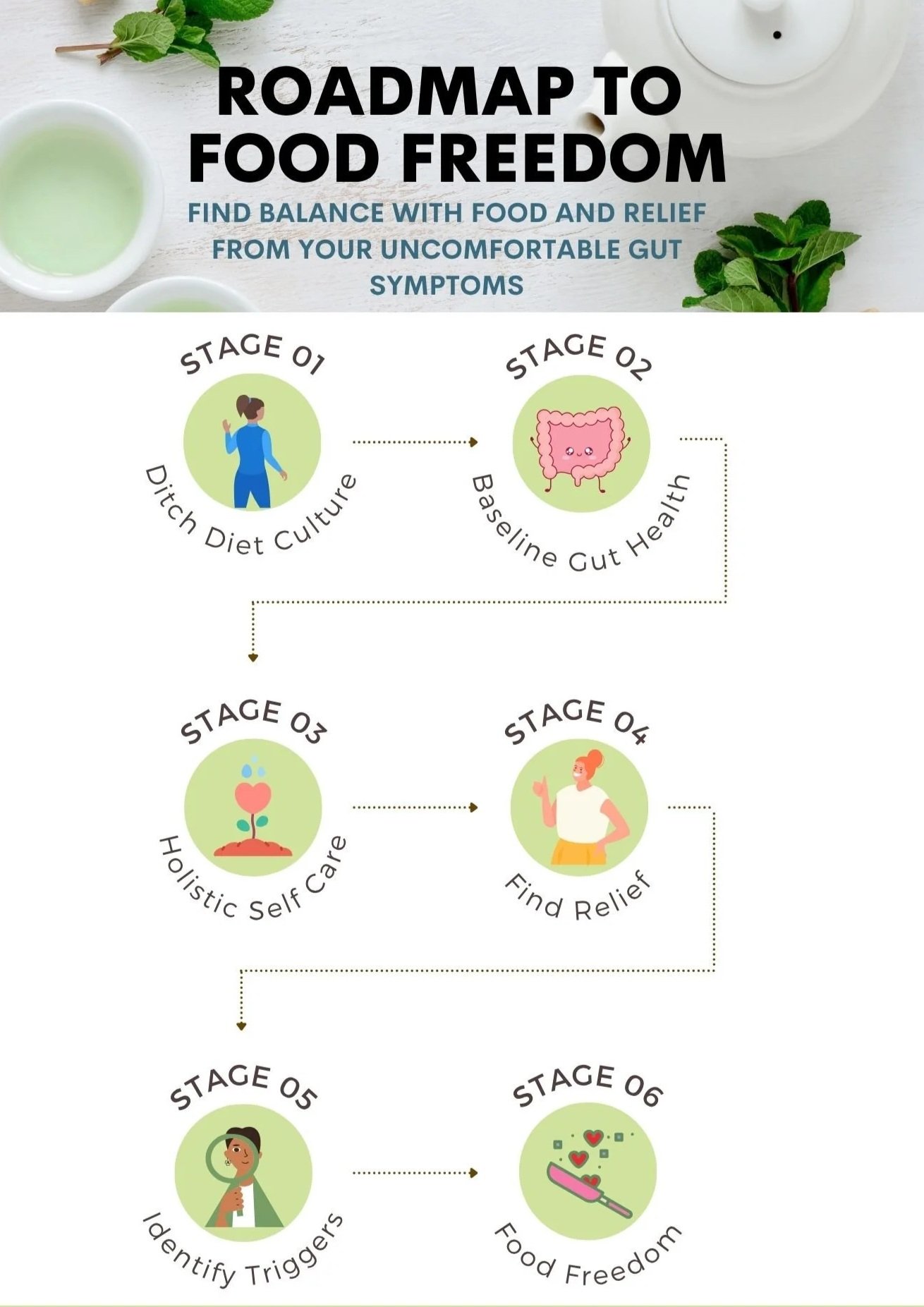
If you’re ready to better understand your symptoms and find relief without fear or confusion, working with a GI dietitian can help.
At Wholesome Start, I support individuals in moving from food fear and digestive distress to feeling more confident, nourished, and at ease in their bodies.
You don’t have to navigate IBS on your own.
Ready to take the next step?
Schedule a discovery call to explore how personalized nutrition and lifestyle support can help you manage IBS in a way that feels sustainable and realistic.
References: